How much can you cash a check for?
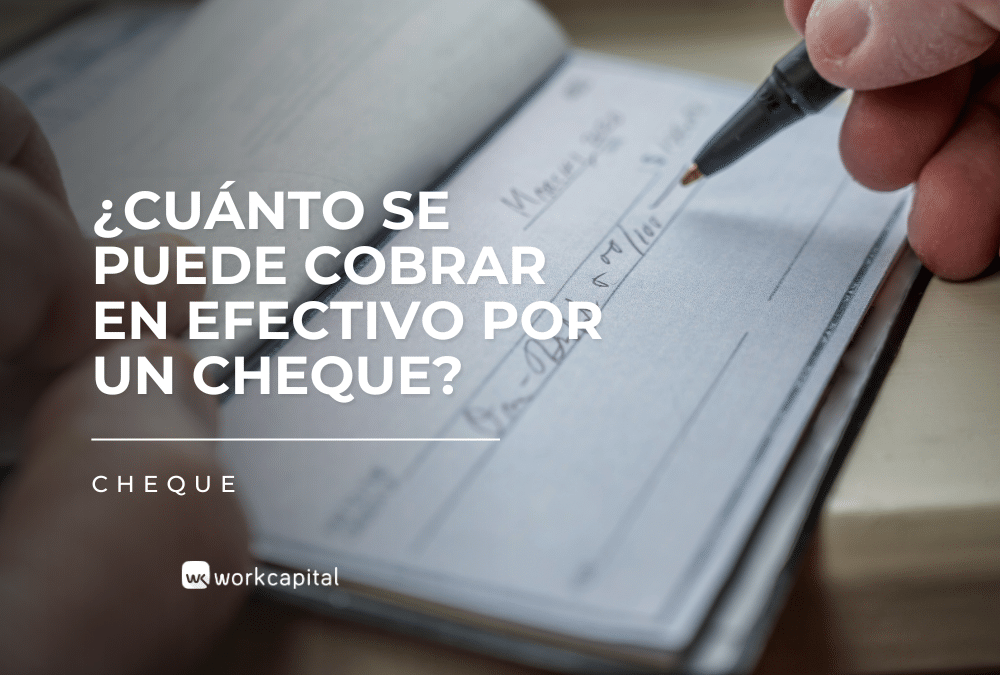
Cashing a check is a common financial transaction in which the payee receives payment from a check issued by a person or entity. But is there a limit on the amount that can be cashed?
In this blog post, we’ll explore the maximum amount you can cash a check for and answer some frequently asked questions on this topic.
1. Can I cash a check?
Cashing a check offers a number of advantages and considerations that are important to keep in mind. Below, we’ll explore some key aspects for completing this process efficiently and securely.
Factors to Consider When Cashing a Check
There are several variables that can influence the decision to cash a check, ranging from ease of access to the funds to each bank’s policies. Understanding these factors will help you make informed decisions.
Impact of Bank Fees
Some banks may charge fees for processing checks from other institutions. This can affect the net amount you’ll receive. It’s essential to check the applicable fees before deciding to cash a check.
Submission of Documentation
To complete the cashing process, many banks require the presentation of valid identification documents. This is particularly important to ensure the security of the transaction and prevent any illegal activity.
Managing Financial Risks
Handling large amounts of cash involves potential risks. Consider security measures when implementing strategies to minimize losses due to theft or loss. Depositing checks into bank accounts can be a recommended preventive measure.
Taking these factors into account can make the process of cashing checks safer and better suited to your personal financial needs. It’s always essential to stay well-informed about current banking policies.
2. What Is the Maximum Amount You Can Cash a Check For?
Cashing a check may seem like a simple process, but there are several factors to consider to ensure the legality and security of the procedure. Let’s take a closer look at these aspects below.
Role of Financial Institutions
Financial institutions play a crucial role in establishing check cashing policies, ensuring that transactions comply with current regulations. Banks often have internal daily limits on how much money can be withdrawn from a check in cash. These limits are set to manage cash flow and minimize financial risks.
Importance of Identification
Banks require identification documents to verify the legitimacy of the person seeking to cash a check. This is especially important for checks involving significant amounts, as it helps prevent incidents of fraud or identity theft. Be sure to always carry valid identification when conducting these transactions to facilitate the process.
Security Factors and Risks
Handling cash can be risky. Large sums of cash can attract unwanted attention and increase the likelihood of theft. Therefore, banks tend to recommend other secure ways to receive payments, such as electronic transfers, to minimize these risks.
Alternatives to Cash Deposits
There are several safer and more efficient alternatives to cashing checks: direct deposit into a bank account and electronic transfers are recommended options, as they provide a detailed record of transactions. Additionally, these methods reduce the risks associated with handling large amounts of cash.
Current Regulations in Spain
Regulations in Spain stipulate that cash payments must not exceed 1,000 euros when one of the parties is a business owner or professional. This also applies to bearer checks, which are considered cash. Understanding and complying with these laws is essential to avoid legal penalties.
A thorough understanding of these aspects can help you better manage your finances and avoid legal complications when cashing a check.
3. Cashing a Check: Additional Considerations
Cashing a check isn’t just a matter of the payee’s identification and compliance with banking regulations. There are also practical considerations and recommendations that can make this process easier.
Additional Documents
In some cases, beyond basic identification, the bank may request additional documentation to verify the check’s legitimacy. It’s important to be prepared to provide such documentation if necessary.
Strategies to Avoid Setbacks
To ensure a smooth cashing process, it’s advisable to notify the bank in advance of your intention to cash high-value checks. This allows the bank to set aside the necessary funds for the transaction.
Associated Costs
Check to see if your bank charges a fee for cashing checks. Some banks may offer preferential rates if the check is processed at the branch where it was issued.
Impact on Public Finances
It is essential to keep detailed records of cash check cashing to avoid issues with the tax authorities. Transparency in these records can facilitate future tax audits.
Alternatives to cashing checks
In addition to cash, consider options such as direct deposit into a bank account. This not only offers greater security but can also speed up access to funds.
4. Why are there limits on the amount that can be cashed?
Limits on the amount that can be cashed are designed to prevent illegal activities such as money laundering and tax evasion. By limiting the amount of cash that can be withdrawn, it becomes more difficult for individuals to conduct large cash transactions without leaving an adequate record.
In addition, these limits also help reduce the risk of theft or loss of large amounts of cash. It’s important to keep in mind that cashing checks can be an insecure way to handle funds, as cash is difficult to track if it’s lost or stolen.
5. Are there other ways to receive payment from a check?
Yes, there are other ways to receive payment from a check besides cash. A common option is to deposit the check into a bank account and then withdraw the money as you normally would.
Other options include electronic transfers and cashier’s checks.
In conclusion, there is no maximum amount set by law that limits how much you can cash, but banks and businesses may impose their own policies and limits. It’s important to keep in mind that cashing checks may be less secure than depositing the funds into a bank account, so it’s recommended that you consider this option, especially if you regularly receive large checks in cash.