The Importance of Financial Transparency in Building Investor Trust
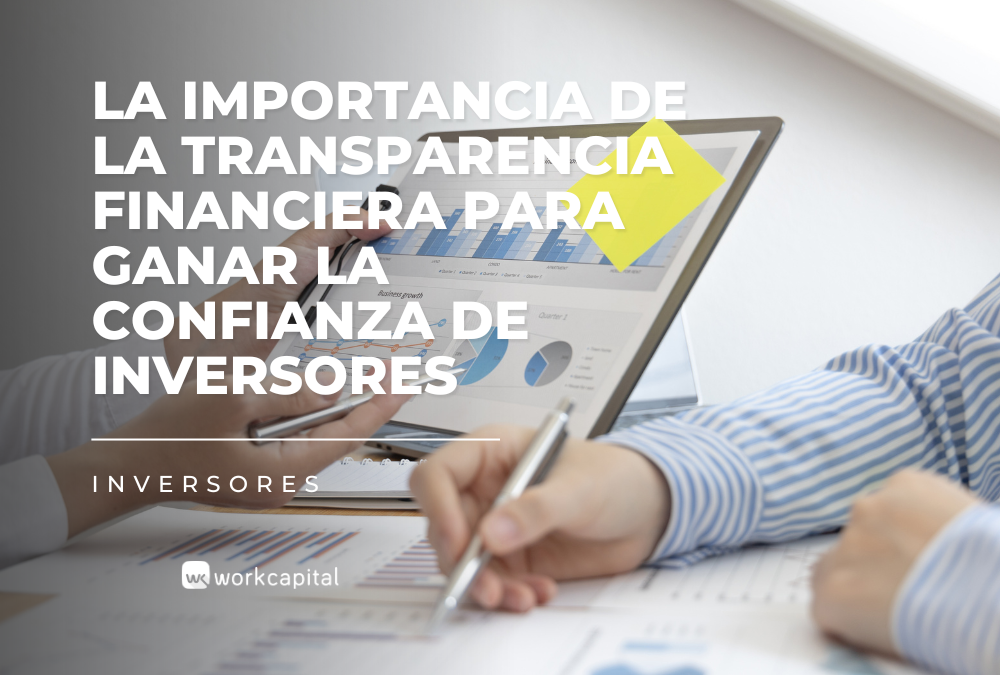
Financial transparency is a fundamental pillar for building trust between companies and their investors. It facilitates the assessment of a company’s financial situation, enables informed decision-making, and strengthens corporate reputation, especially in a regulated environment such as Spain’s.
1. Transparency as a Key Factor in Business Evaluation
Clear and accurate financial reports are essential for investors to properly assess a company’s performance and associated risks. Transparency allows for:
Reflect the company’s commitment to ethics and accountability.
Improve market perception and facilitate access to capital.
Compare performance with that of competitors and the industry average.
In a climate of uncertainty, transparency strengthens long-term relationships with investors, based on mutual trust.
2. Benefits of Financial Transparency
Build investor confidence
Providing accessible and clear information conveys a sense of security, especially during times of economic instability. The credibility of financial data makes it easier to attract capital.
Strengthening corporate reputation
The consistent publication of financial information demonstrates a commitment to ethical and social values, which improves public image and fosters loyalty among current and potential investors.
Regulatory Compliance
Transparency helps ensure compliance with current regulations, avoiding penalties and reinforcing the image of good corporate governance.
Better Internal Decision-Making
Access to reliable financial data enables executives to make strategic decisions, identify opportunities, and anticipate risks.
Identification of Areas for Improvement
A transparent company can detect weaknesses in its processes and implement effective corrective measures.
Increased operational efficiency
A clear flow of information within the company helps reduce errors, improve productivity, and minimize internal conflicts.
3. Strategies for Achieving Greater Transparency
Adoption of International Financial Reporting Standards (IFRS)
These standardized standards allow financial information to be presented in a consistent manner, making it easier for investors to understand, especially in global markets.
Open and Consistent Communication
It is essential to maintain a fluid relationship with investors, sharing both achievements and challenges to provide a realistic view of the business.
Publication of Periodic Financial Reports
Reports must be clear, complete, and understandable.
They must include results, forecasts, and relevant risks.
The frequency (quarterly or annual) must be strictly adhered to.
Use of financial technology
Specialized digital tools enable:
Real-time tracking of key metrics.
Automation of reports to reduce errors.
Direct access for investors through digital platforms.
Clear and publicly disclosed internal policies
Having documented policies on how finances and economic decisions are managed fosters consistency and reinforces a culture of accountability within the company.
4. Best Practices for Promoting Transparency
Setting Clear Goals
Defining specific and measurable objectives makes it easier to align efforts and evaluate results. This guides financial communication toward continuous improvement.
Use of clear and accessible language
Reports should be understandable even to those without accounting training. Avoiding jargon helps all stakeholders correctly interpret the financial situation.
Robust internal controls
Internal audits, periodic reviews, and control measures prevent errors and fraud, fostering trust among investors and employees.
Fostering a culture of transparency
Training the team, sharing information internally, and promoting dialogue on financial matters contribute to an open culture aligned with the values of honesty and accountability.
5. Recommendations for Companies in Spain
Provide clear and accessible financial information
In addition to presenting basic financial statements, it is important to accompany them with explanatory analyses that provide context for the figures. This allows investors to understand the reasons behind any variations and their future impact.
Addressing investor concerns
Companies should establish effective channels to answer questions and listen to suggestions. Some useful initiatives include:
Webinars to explain results and future plans.
Surveys to identify investor concerns.
Informational materials on frequently asked questions.
Keeping Stakeholders Informed
It is advisable to establish a fixed schedule of quarterly or semiannual communications to provide updates on:
Financial results.
Projections.
Changes in the market environment.
Using digital platforms and encouraging participation in shareholder meetings helps strengthen relationships with stakeholders.
6. Conclusion
Financial transparency is not only a regulatory obligation but also a key strategy for building strong relationships with investors and improving competitiveness in the Spanish market. Adopting best practices, investing in the right tools, and promoting a corporate culture focused on clarity and accountability are essential steps for sustainable growth and a company’s reputation.