Optimizing Cash Flow Through Invoice Financing
In the complex world of business finance, maintaining a healthy cash flow is essential for success and financial stability. One effective tool for achieving this is invoice factoring. In this blog post, we’ll explore how this strategy can be an effective solution for improving your company’s cash flow.
1. What Is Invoice Financing?
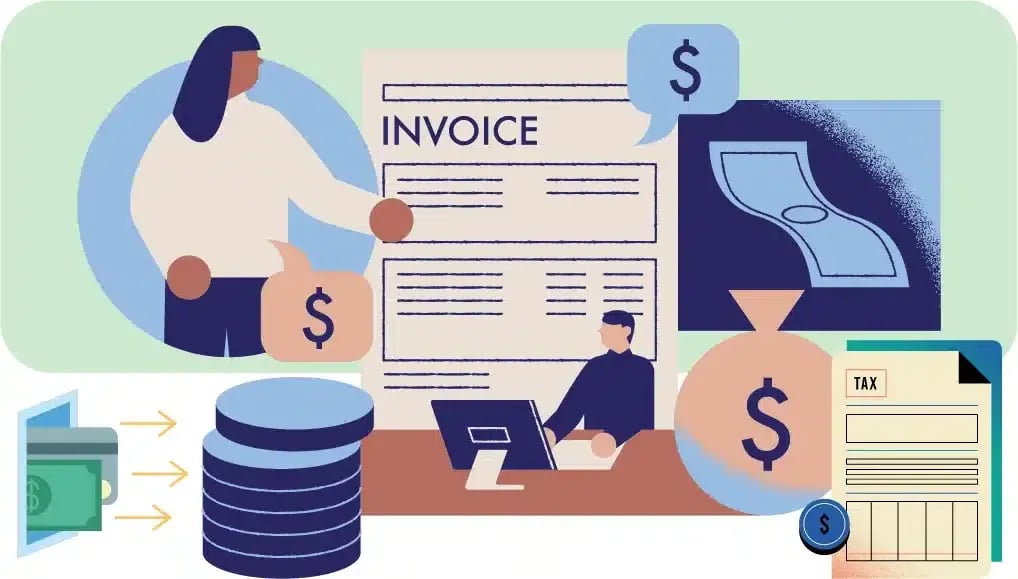
Invoice factoring is a financial arrangement in which a company receives an advance payment from a financial institution in exchange for assigning its outstanding invoices as collateral. This practice allows the company to access immediate liquidity before customers pay their invoices. Once customers pay the invoices, the financial institution in question receives the corresponding amount.
2. Key Benefits of Invoice Financing
Consistent Cash Flow: By obtaining funds before invoices are due, your company can maintain a consistent cash flow, making it easier to manage operating expenses and financial obligations.
Reduced Risk of Non-Payment: By receiving payment in advance, you reduce the risk of non-payment by customers. This improves financial security and prevents potential liquidity problems.
Investment Opportunities: Having advance funds available provides the opportunity to invest in key areas of the business, such as expansion, marketing, or equipment upgrades, driving growth.
Financial Flexibility: It provides financial flexibility by avoiding exclusive reliance on customer payment terms, freeing up capital quickly and immediately, allowing you to make agile decisions, address unforeseen situations, or invest in growth opportunities.
3. How does invoice factoring work?
Identifying Outstanding and Eligible Invoices:
The company must identify its outstanding invoices and determine which ones are eligible for the advance. Generally, these are invoices that have been confirmed and have upcoming payment due dates.
Negotiating with the financial institution:
The company must contact a financial institution of its choice and negotiate terms, rates, and conditions to ensure it secures the best terms. It’s best to have several options so you can choose the one that best suits your needs. Remember, the cheapest option isn’t always the best—you should also consider the speed and reliability they can offer.
Submission of Invoices and Evaluation:
Submit the selected invoices, along with all necessary documentation, to the financial institution in question so it can assess their eligibility and the associated risk. The financial institution will review the client’s creditworthiness and other factors before approving the advance.
Approval and Receipt of Funds:
Once the application is approved, the financial institution provides the agreed-upon advance to the company. Generally, this amount is a percentage of the total value of the outstanding invoices, subject to the agreed-upon discount rate.
4. How can your company implement invoice financing?
Here are some key steps for properly implementing invoice factoring :
Assess financial viability: Before implementing invoice factoring, it is very important to assess the company’s financial situation to ensure it has the necessary resources to advance these funds.
Establish clear policies and criteria: Define clear policies regarding which invoices are eligible for advance payment, the eligibility criteria, advance limits, and payment terms.
Communicate with suppliers or customers: Inform both your suppliers and your customers about the option to receive invoice advances and the associated terms. Make sure they understand the benefits and the process for requesting an advance.
Implement an advance management system: Use an advance management system that facilitates the tracking and administration of advance requests, as well as the processing of payments for each one.
Establish internal controls: Implement these controls to verify the accuracy of invoices and reduce the risk of fraud or errors in the advance payment process.
Automate the process: Consider automating the advance request and approval process using financial management software or tools specifically designed for advance management.
Train staff: Provide adequate training to staff involved in the invoice advance process to ensure they understand the established procedures and policies.
Monitor and evaluate performance: Regularly monitor the performance of the invoice advance process to identify areas for improvement and ensure it is operating efficiently and effectively.
Review and adjust as needed: Conduct periodic reviews of the process and make adjustments as needed to ensure it remains relevant and effective for the company’s needs.
Invoice advance can be a very useful tool for optimizing your company’s cash flow. By providing access to advance funds and reducing financial risks, this strategy can be critical to growth and financial stability. Learn more about invoice advance and how it can benefit your business by clicking this link!