What does crowdfunding mean, and how does it work?
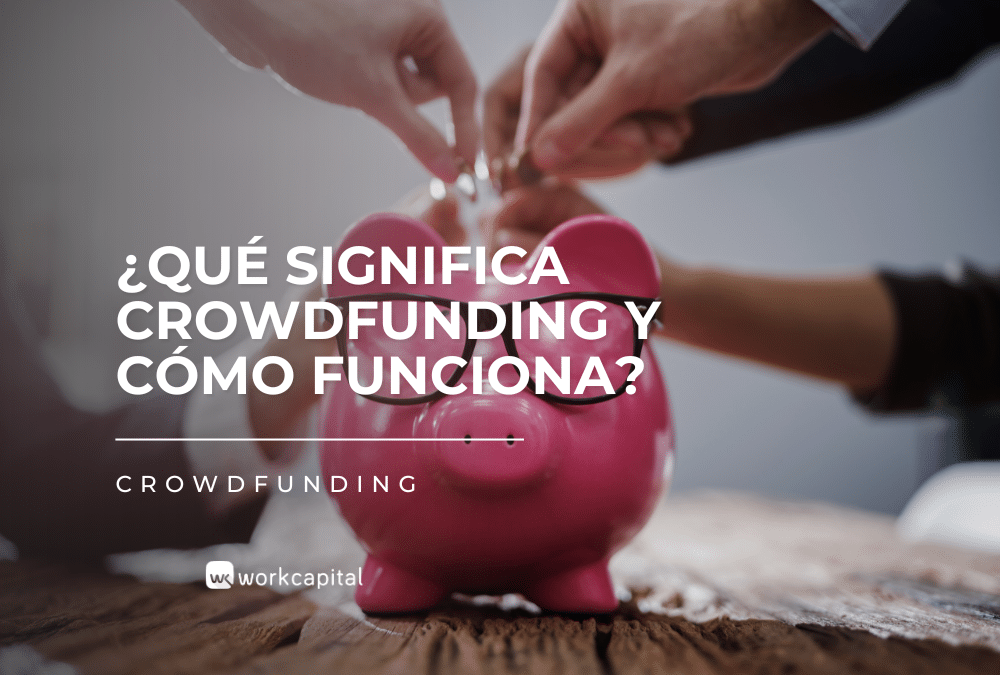
Crowdfunding is a method of collective financing that allows individuals or organizations to raise money for projects through small contributions from a large number of people. This model has grown with the help of digital platforms and social media. Throughout this article, we will explore the concept of crowdfunding, its different types, and how it works. We will also analyze the associated advantages and risks, as well as successful examples in Spain and around the world.
What Does Crowdfunding Mean?
Crowdfunding is an innovative way to finance projects through individual contributions. This method allows a diverse group of people to participate in the creation and sustainment of ideas that require financial support, facilitating the pooling of resources toward a common goal.
Fundamentals of Crowdfunding
Crowdfunding is based on the idea that access to financing should not be limited to select groups. Through digital platforms, entrepreneurs can present their projects and set financial goals. This model allows small contributions from a large number of individuals to add up to significant amounts.
Founders can use this resource to launch initiatives in a variety of fields, such as technology, the arts, healthcare, and more. It also serves as an alternative to methods like discounting promissory notes or invoice financing, which provide professional financing for businesses.
Differences from Traditional Financing Methods
Conventional financing methods, such as bank loans or venture capital investors, typically require collateral and a thorough evaluation of projects. In contrast, crowdfunding offers accessibility and flexibility, allowing innovative ideas to receive support without the typical demands of financial institutions. This form of financing encourages community participation and allows creators to validate their projects through public interest before launch.
Main Types of Crowdfunding
Crowdfunding comes in various forms that are tailored to the needs of projects and the expectations of contributors. Each type of crowdfunding has its own approach, allowing ideas and causes to find the appropriate support.
Donation-Based Crowdfunding and Charitable Causes
This model focuses on altruistic contributions, where donors give without expecting anything in return. It is especially popular for social and charitable causes.
Use in Social and Community Projects
Donation-based crowdfunding platforms typically host initiatives that seek to improve the lives of people in local communities. Examples include fundraising to build schools, financing medical treatments, and providing aid to disaster victims.
Reward-Based Crowdfunding
This approach allows contributors to receive a tangible benefit in exchange for their support. Generally, it involves the delivery of products or services related to the project.
Equity Crowdfunding
Through this type of crowdfunding, investors acquire an equity stake in the project or company in exchange for their contribution. This model is particularly attractive to startups and entrepreneurs seeking funding to grow.
Startups and Growing Companies
Equity crowdfunding is a viable option for new companies that need capital without losing full control. Many startups have benefited from this form of financing, successfully connecting with a base of enthusiastic investors.
Loan- and Royalty-Based Crowdfunding
This model allows contributors to make contributions that will be repaid with interest, or to receive a percentage of the project’s future profits. It is geared toward those seeking a financial return.
Advantages of Crowdfunding Compared to Other Financing Methods
This crowdfunding model offers multiple benefits that make it attractive for raising funds for a wide variety of projects.
Access to Capital for Innovative Projects
One of the main advantages of crowdfunding is the ability to secure funding for innovative ideas and projects that might not find support through traditional sources. Many startups and entrepreneurs face difficulties accessing capital through banks and conventional investors due to stringent requirements and a lack of collateral. Crowdfunding opens the door for these creators, allowing them to present their proposals directly to the public.
Validation and market testing for products and services
Crowdfunding is not just about raising funds; it also serves as a barometer for gauging market interest in a product or service. By launching a campaign, entrepreneurs can get direct feedback from potential consumers. This allows them to adjust their projects based on the opinions and suggestions received, which increases the chances of commercial success.
Community Building and Loyalty
Projects that use crowdfunding typically build a solid base of followers. By involving backers in the process, a sense of community is fostered. Backers not only contribute money but also become brand ambassadors, which helps foster loyalty. This emotional connection can be key to a successful product launch, generating loyal customers from the very beginning.
Flexibility and Transparency in the Financial Process
Flexibility is another key feature of crowdfunding. There are various funding models that can be tailored to a project’s needs. Whether through donations, rewards, or equity, each entrepreneur can choose the model that best aligns with their goals.
Furthermore, transparency is an added value. Crowdfunding platforms typically provide regular reports and updates on campaign progress, which builds trust among investors. This openness in the process contributes to a stronger and more transparent relationship between creators and backers.
Risks and Disadvantages of Crowdfunding Campaigns
Although crowdfunding offers funding opportunities, it also carries risks that must be considered before launching a campaign. Below are some of the main disadvantages and challenges associated with this collective funding model.
Potential for Fraud and Scams on Platforms
One of the most significant concerns in the crowdfunding space is the possibility of fraudulent projects. This can occur when dishonest creators make promises they have no intention of keeping. Many backers may feel let down when they discover that their money has not been used for the promised purpose.
To minimize this risk, it is crucial to research and select crowdfunding platforms that have a good reputation and robust project verification processes. Transparency in campaigns and effective communication with contributors are essential for building trust.
Non-compliance and Failure of Funded Projects
Projects funded through crowdfunding do not always achieve their goals, which can result in cancellation or a failure to fulfill the promises made to investors. This causes frustration for both creators and backers.
Factors that can contribute to a project’s failure include a lack of proper planning, market changes, or an inability to meet development expectations. It is important for entrepreneurs to be realistic in their projections and plans to avoid these situations.
Dilution and Loss of Control in Equity Investments
In the equity crowdfunding model, investors acquire an equity stake in the company in exchange for their investment. This can lead to entrepreneurs diluting their control over the company if additional funding rounds are conducted. Each new round can result in a reduction in the founders’ percentage ownership, which is a risk that must be taken into account.
Proper management of investor relations is vital. It is necessary to set clear expectations regarding future funding rounds and the impact they may have on the company’s ownership structure.
Lack of Regulation and Legal Protection for Investors
Crowdfunding still operates in a relatively new environment and, in many jurisdictions, lacks strict regulation. This can result in a lack of protection for investors, who may have difficulty recovering their investment in the event of default.
Some countries are beginning to establish regulations governing crowdfunding, but the situation varies. It is essential that investors be informed about their rights and obligations when participating in these campaigns and that they carefully read the terms and conditions of each platform.
Although crowdfunding can be an excellent alternative for certain projects, it is not always the fastest or safest option. If you’re looking to finance your company’s growth in a professional and agile manner with expert advice, at Workcapital we offer solutions such as promissory note discounting, invoice advances, and working capital loans, tailored to your needs.